
A better way?
In a recent pack-rape trial, a High Court judge did something interesting.

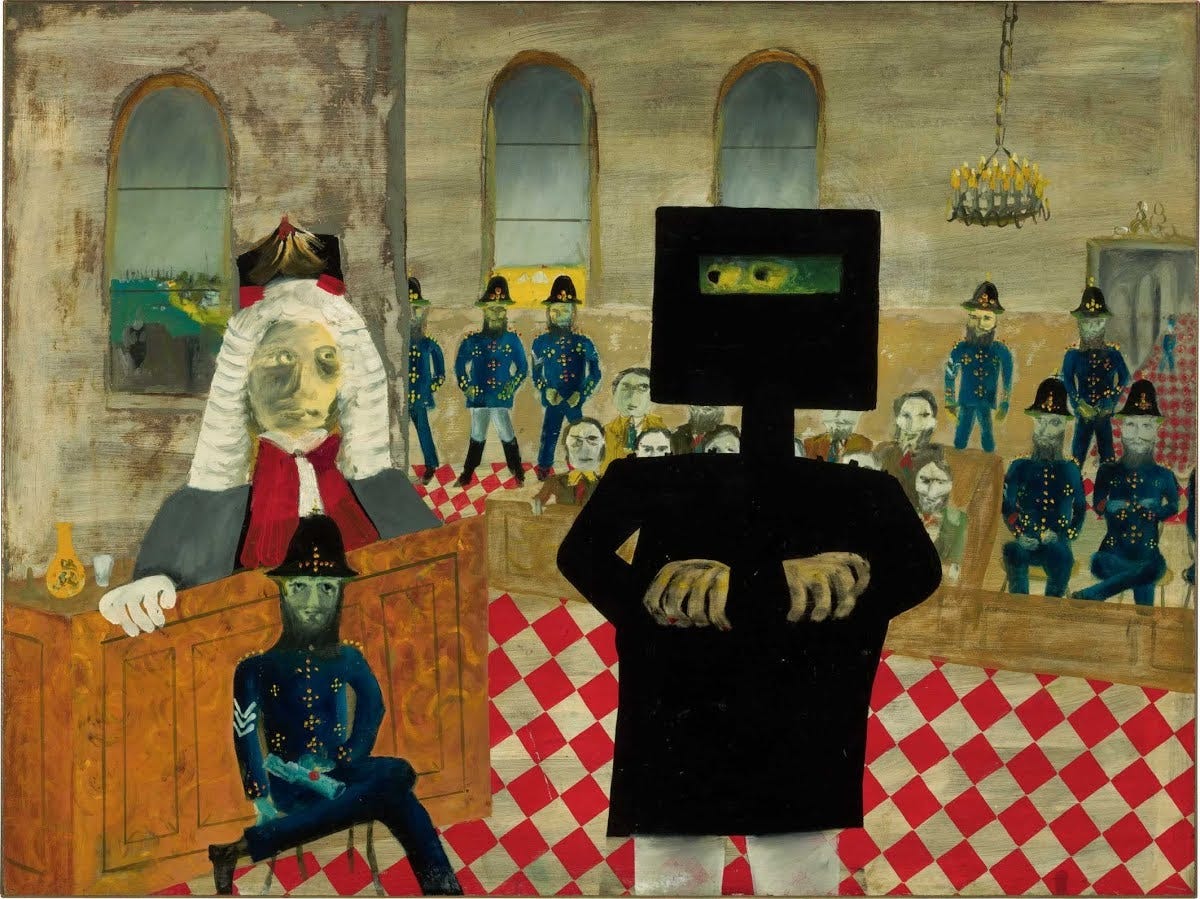
Last week, three young men were found guilty of gang raping a 19-year-old German tourist in Auckland, New Zealand. The “exceptionally distressing” case has been covered extensively by the media, so I won’t rehash the details, but as I read the sentencing at 4am this morning between my baby’s night feeds (fun!), I came across an interesting detail I hadn’t seen mentioned in the press.
Before sentencing the defendants to lengthy stints in jail, Justice Downs asked forgiveness “for what may seem like a very short digression”. He then made the following remarks:
A better way?
There continues to be a discussion in this country, and in other countries, as to whether the adversarial system of trial is sufficiently sensitive to the needs [of] victims of sexual offending. With that discussion in mind, let me recite a few short passages from X’s victim impact statement; what follows are quotes:
The entire court process was the worst thing I have ever had to endure.
In court I felt like I was the criminal.
During the trial I thought I was going to die.
I felt as if I was standing naked in front of millions of people who did not believe me, judged me, saw me as a slut, and would eventually beat me.
I felt disgusting.
May the ventilation of those observations contribute to our further discussion on whether the balance is appropriately struck.
The victim’s quoted remarks are unfortunately nothing new: victims frequently describe the court process as being as bad, or worse, than the rape itself. What is unusual—and, in my opinion, worthy of a brief report—is to hear this sentiment “ventilated” by a judge, deep in the belly of the system in question.
Two things I made

My creative output recently: a three-part documentary about stalking, and also a baby boy.
No, we don't need to 're-enchant' sex
Sex doesn't have a special sacred essence, and we don't need to imbue it with one to maintain our moral aversion to sexual wrongs—or make sex hot again.
This is so on point Madeleine. I also read a long article about the case, and when I finished, her words were ringing in my ears. To be further traumatised, and in fact, for the trial to be a worse experience than the (beyond-words horrific) crime itself, how can this be justice?
It has never been clearer that the system was not designed for these matters (of course, the English adversarial system was never built with women/the vulnerable/the marginalised in mind).
I think it's great that the judge spoke out, when it would have been so easy not to.